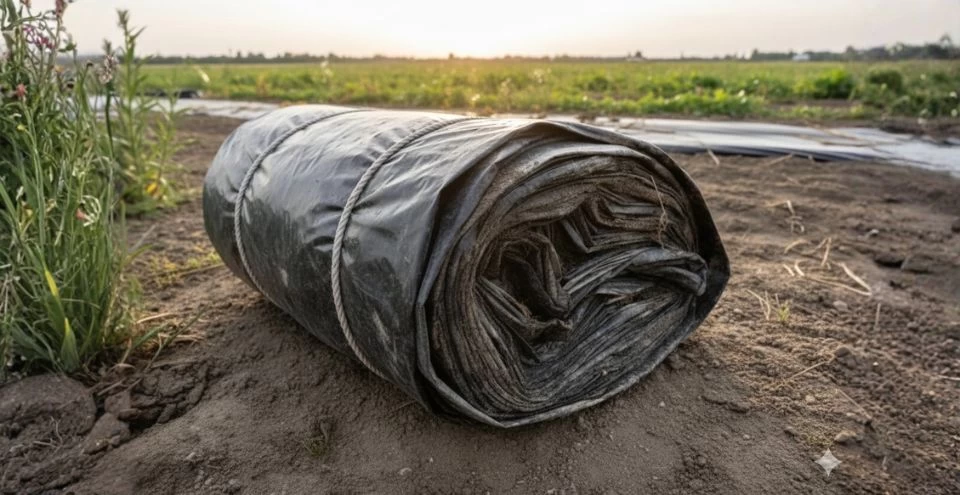
Plastic film waste may seem light and insignificant, but in recycling operations it is one of the most troublesome materials to handle. Its soft, stretchable structure easily wraps around shafts and blades during shredding and washing. Its low density makes handling inefficient. And once moisture and contaminants enter the picture, pellet quality becomes difficult to control.
PE packaging film, agricultural film, and PP woven bags are produced in large volumes every day in manufacturing and packaging facilities. Although these materials look thin and low-value, they frequently cause major problems in recycling lines. Film can tangle around knives and conveyors, introduce soil, dust, adhesives and metal fragments into the system, and significantly increase cleaning and maintenance requirements. What could have been a valuable recyclable resource often becomes a costly burden.
Standalone machines like basic shredders or wash tanks rarely deliver stable results for contaminated, flexible materials. Poor shredding reduces washing efficiency; inadequate washing leads to low-grade recycled pellets; excessive moisture destabilizes pelletizing and affects product appearance. The real solution is not adding more single machines but implementing a system designed specifically for film—one that connects each stage into a stable, continuous process.
Geording’s Complete Solution for Film Recycling
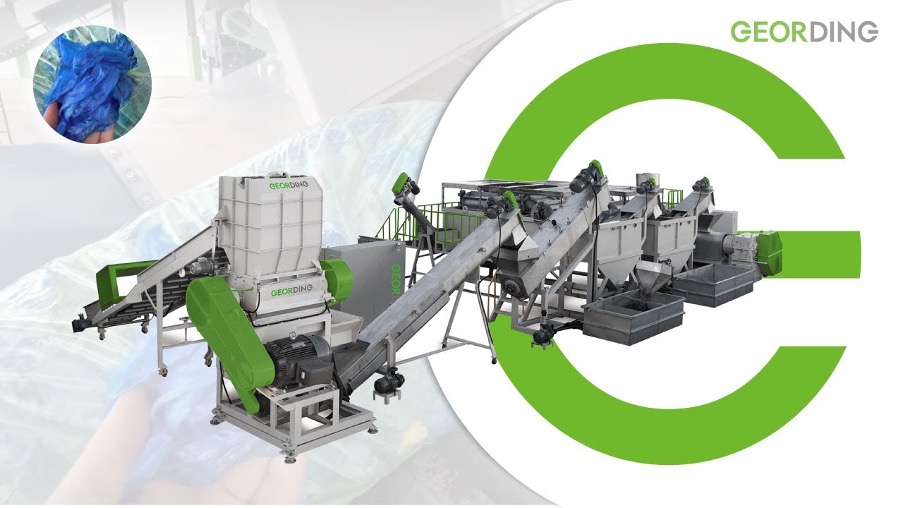
Geording’s Crushing, Washing and Drying Turnkey Plant for Plastic Film Recycling is purpose-built for highly contaminated, easily entangled soft plastics. Every stage—from pre-treatment and shredding to friction washing, dewatering, and final drying—is engineered around the unique behavior of film, rather than adapted from equipment designed for rigid plastics.
This system not only cleans; it ensures stable throughput, reduced downtime, and consistent recycled output, turning difficult waste into a reusable resource suitable for pelletizing or resale.
Because every factory processes different types of film with varying contamination levels and output requirements, Geording begins each project with a thorough assessment. Raw material type, soil content, moisture level, available space, and budget are all considered to design a line that is easy to maintain, easy to clean, and cost-effective to operate.
Five Stages — One Integrated Recycling Line
Geording’s modular line can be configured for different material streams. The complete process includes:
1. Pre-Treatment
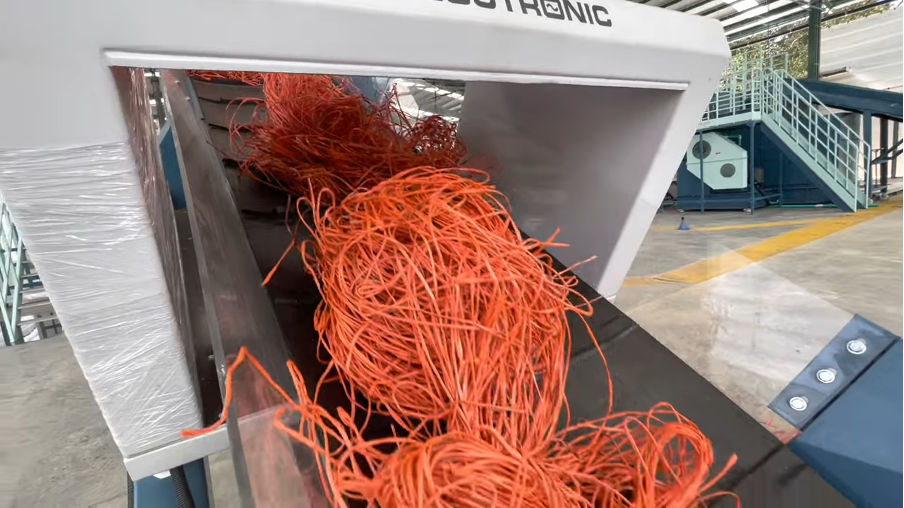
Removal of metals and oversized contaminants to protect downstream equipment.
2. Shredding
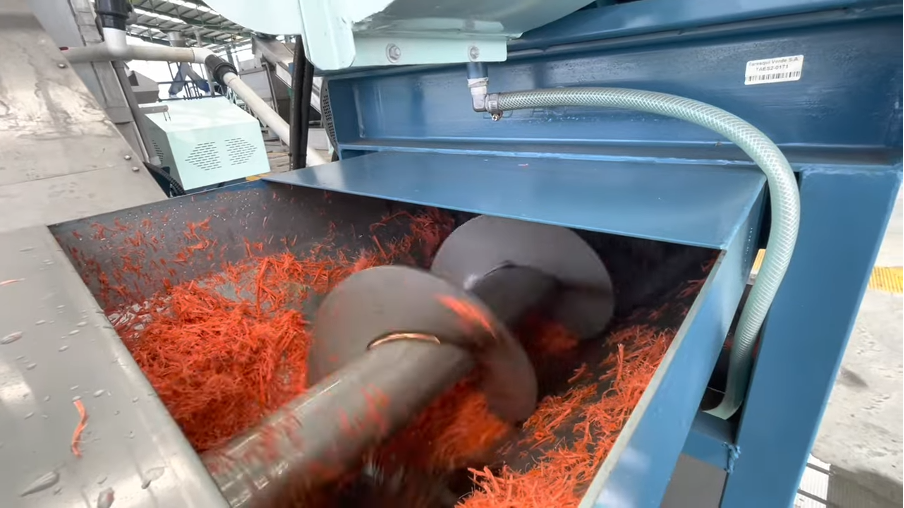
Film is reduced into uniform pieces optimized for washing.
3. Washing
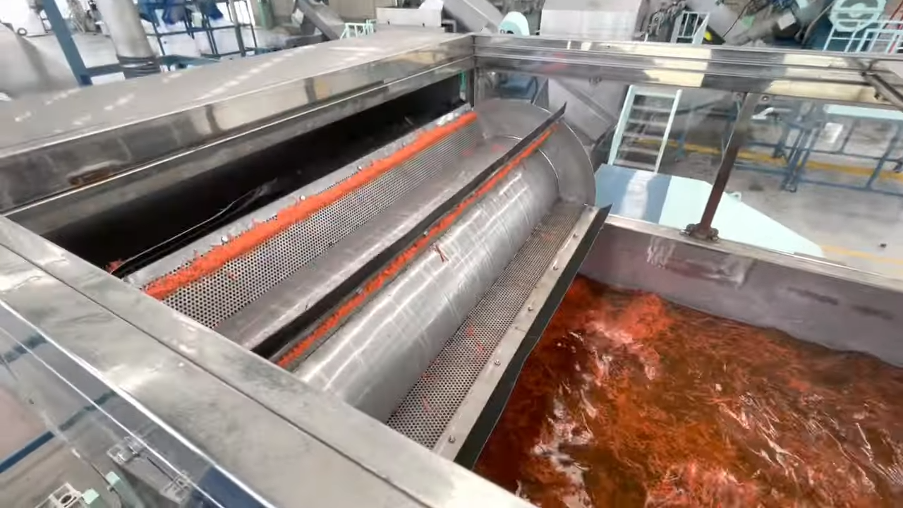
High-speed friction washing combined with float tanks removes dust, soil, adhesives, and oils.
4. Dewatering & Drying
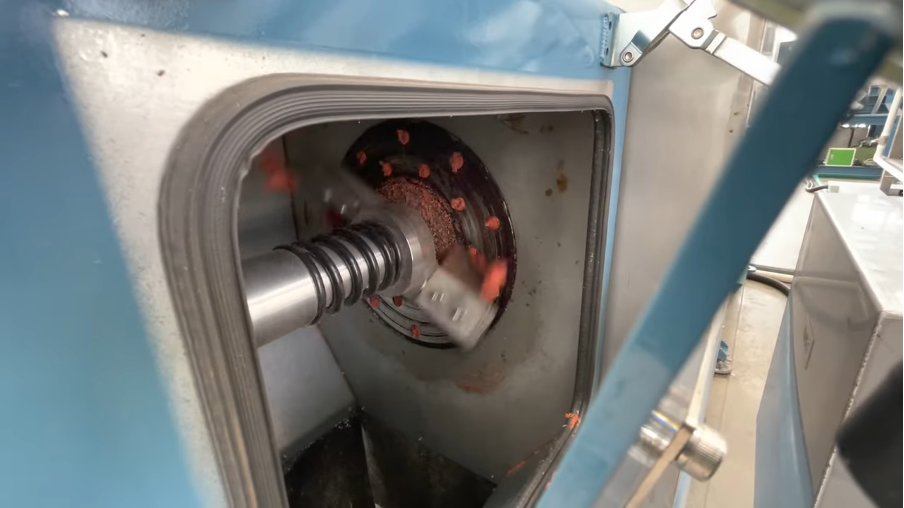
Centrifugal dewatering followed by mechanical drying reduces moisture to below 3%.
5. Optional Pelletizing
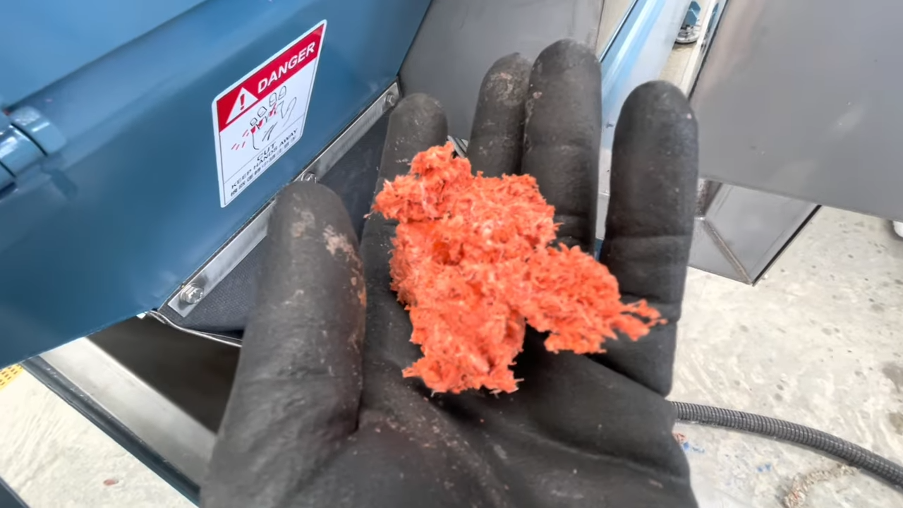
Clean, dry flakes can be directly fed into a pelletizing extruder.
What Materials Can the System Handle?
In real production environments, waste rarely consists of clean, single-source film. Mixed waste streams are common.
Geording’s system accommodates a wide range of materials by adjusting modules and configurations, enabling one line to process multiple types of soft and semi-rigid plastics:
- Agricultural and greenhouse films — typically contaminated with soil and adhesives
- PP woven bags and jumbo bags — thick, durable materials with dust and labels
- Rigid containers — such as HDPE detergent bottles or personal-care product bottles
Four Key Advantages of Geording’s Film Recycling Line
Soft plastics place heavy demands on equipment. Geording’s film recycling plant is engineered to balance cleaning effectiveness, moisture control, stability and operator safety. Customers choose it for four main reasons:
1. High Washing Efficiency
Friction washers and float tanks deliver thorough contaminant removal, even with heavily soiled film.
2. Reliable Drying Performance
Moisture content below 3% ensures smoother pelletizing and more consistent pellet quality.
3. Safe, User-Friendly Operation
Electrical protection systems and well-designed controls help prevent errors and reduce downtime.
4. Tailor-Made Configurations
The engineering team adapts the plant design to your raw materials, space constraints, and capacity goals.
Is This System Right for Your Facility? Geording Helps You Evaluate the Fit
Investing in a recycling line is a long-term decision. It requires evaluating material availability, daily processing volume, factory layout, budget, and expected ROI. Without proper planning, even high-quality equipment may fail to deliver full value.
Geording has built film recycling lines in Taiwan, Southeast Asia, South America and Europe, ranging from compact 1-ton lines to 25-ton industrial systems.This experience allows Geording to recommend configurations that match your scale and production targets.
We provide a one-stop support service covering raw material analysis, process design, equipment installation, and operator training. Beyond helping you select the most suitable machine models and production line capacity, we also assist on-site teams in mastering key operating points and routine maintenance, ensuring stable, long-term system performance that truly meets your production and recycling requirements.
We welcome you to contact us. From initial evaluation through on-site implementation and full-scale production, we work alongside you at every stage to help build thin film recycling equipment and integrated production line solutions that are genuinely fit for purpose.
Frequently Asked Questions — Plastic Film Recycling
Q1: Can very dirty film with soil and residues still be recycled?
Yes. With reinforced pre-treatment, friction washing, and multiple float tanks, contaminated film can be cleaned effectively. Geording evaluates contamination levels and adjusts shredding and washing modules accordingly.
Q2: How much daily waste justifies investing in a full recycling line?
If your factory generates a consistent volume of film or soft-plastic waste and you intend to reuse or sell recycled pellets, it is worth evaluating a complete line. Geording helps estimate the right capacity and expected payback period.
Q3: Can the line handle mixed waste such as film, woven bags and rigid containers?
Yes. The system is modular and can be configured for mixed materials. Geording assesses your waste composition and determines whether stream separation or enhanced washing steps are needed.
Q4: Will operating the line be too complicated for workers?
No. After installation, Geording provides training on start-up procedures, parameter settings and routine maintenance. The line is designed to be easy to clean, easy to maintain, and stable in long-term operation.