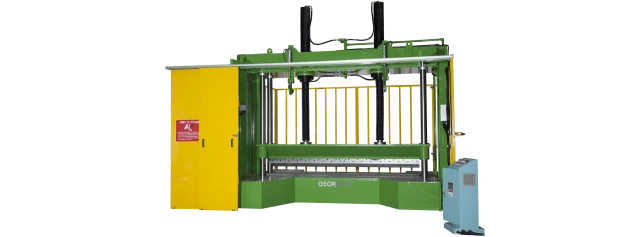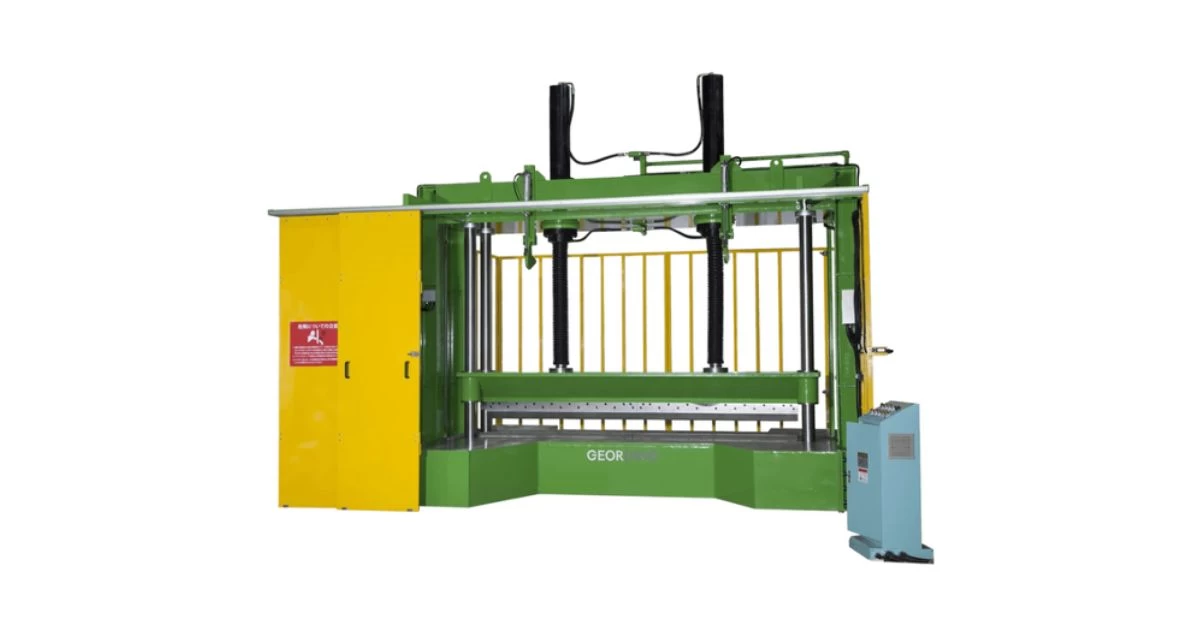
In many manufacturing environments, cutting is often considered a simple step in the production process. However, when cutting equipment cannot keep up with production speed, it quickly becomes a hidden bottleneck that affects efficiency, product quality, and workplace safety.
Manufacturers frequently encounter issues such as inconsistent cutting results, machines that struggle with thick materials, or production delays caused by frequent maintenance. In industries like paper processing, plastics, rubber, and packaging, these problems can lead to material waste, downtime, and increased safety risks for operators.
Choosing the right hydraulic cutting machine can solve these challenges. With powerful cutting force, stable operation, and safety-focused design, hydraulic cutting systems help factories maintain high productivity while ensuring a safer working environment.
This guide explains how hydraulic cutting machines work, the problems they solve, and how manufacturers can select the right system for high-efficiency industrial cutting.
Why Cutting Equipment Often Becomes a Production Bottleneck
In modern manufacturing, cutting processes are rarely isolated. They are usually integrated with upstream and downstream equipment such as conveying systems, stacking equipment, or automated production lines.
When cutting equipment cannot match the speed or capacity of the rest of the line, several problems often arise:
- Production delays caused by slow cutting speed
- Uneven cutting results that lead to material waste
- Frequent blade wear and machine maintenance
- Increased safety risks when operators work near unstable equipment
For factories that process large sheets, rolls, or dense materials, standard mechanical cutting equipment may not provide the required stability or cutting force. This is where hydraulic cutting technology provides a significant advantage.
What Is a Hydraulic Cutting Machine?
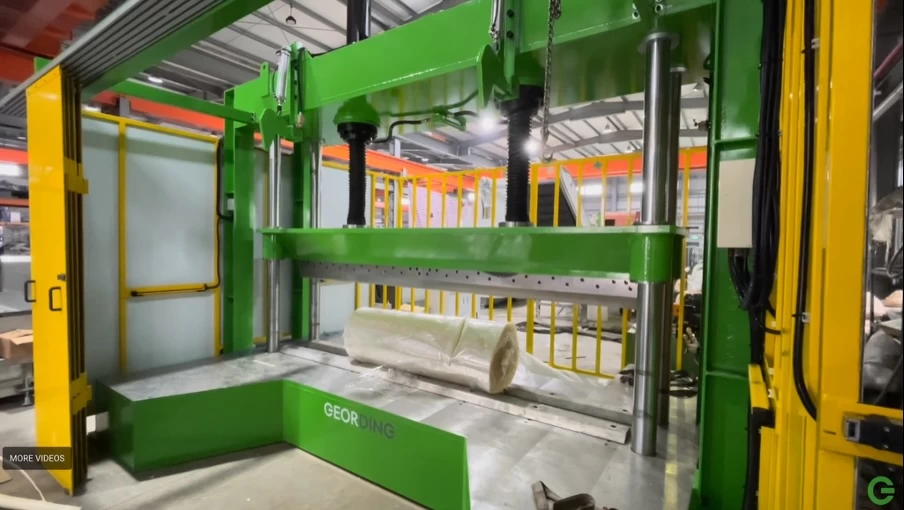
A hydraulic cutting machine uses pressurized hydraulic systems to generate the force required for cutting materials. Instead of relying solely on mechanical motion, hydraulic systems apply controlled pressure through hydraulic cylinders, enabling the machine to produce powerful and stable cutting performance.
Because the cutting force is evenly distributed, hydraulic cutting machines are capable of handling demanding industrial applications that require precision, stability, and high load capacity.
Compared with conventional cutting equipment, hydraulic systems offer several benefits:
- Consistent cutting force
- Higher capacity for thick or layered materials
- Smooth and controlled cutting motion
- Greater durability under continuous operation
These characteristics make hydraulic cutting machines suitable for industries where cutting performance directly affects production efficiency.
Key Advantages of Hydraulic Cutting Machines
Strong and Consistent Cutting Force
Hydraulic cutting machines can generate significant pressure, allowing them to process materials that are difficult for standard mechanical cutters.
Common applications include:
- thick paper stacks
- plastic sheets
- rubber materials
- composite panels
- laminated industrial materials
Because the pressure is applied evenly across the cutting area, manufacturers can achieve clean and consistent cutting results, even with large or dense materials.
Structural Durability for Continuous Production
Industrial cutting equipment must often operate for long periods without interruption. Hydraulic cutting machines are typically designed with reinforced steel frames that maintain structural stability during high-frequency cutting operations.
This durability helps prevent machine deformation and ensures consistent cutting accuracy over time.
Enhanced Operator Safety
Safety is a critical concern in cutting operations. Modern hydraulic cutting machines incorporate multiple safety mechanisms designed to protect operators while maintaining productivity.
These features may include:
- safety light curtains
- emergency stop systems
- safety interlock devices
- protective guard rails
Such systems automatically stop machine operation if someone enters a hazardous zone, significantly reducing the risk of workplace accidents.
Key Factors When Choosing a Hydraulic Cutting Machine
Selecting the right hydraulic cutting machine requires careful evaluation of several production factors.
Material Type and Thickness
Different materials require different levels of cutting force. Manufacturers should evaluate:
- Roll size
- thickness
- layering structure
For example, cutting stacked paper sheets requires a different machine configuration compared with cutting rubber panels or plastic boards.
Cutting Area and Stroke Length
The cutting table size and stroke length must match the dimensions of the materials being processed. Insufficient cutting space can reduce efficiency and require additional handling steps.
A properly sized machine allows operators to process materials smoothly and maintain a consistent workflow.
Integration With Existing Production Lines
In many manufacturing environments, cutting equipment must work together with other systems such as:
- conveyors
- feeding systems
- stacking equipment
Choosing a hydraulic cutting machine that supports production line integration helps maintain smooth operations and improve overall efficiency.
Safety and Operator Accessibility
A well-designed machine should protect operators while allowing them to work comfortably and efficiently. Safety components such as light curtains and interlock systems are essential for maintaining compliance with industrial safety standards.
Case Study: High-Safety Hydraulic Cutting Solution for a Major Paper Group
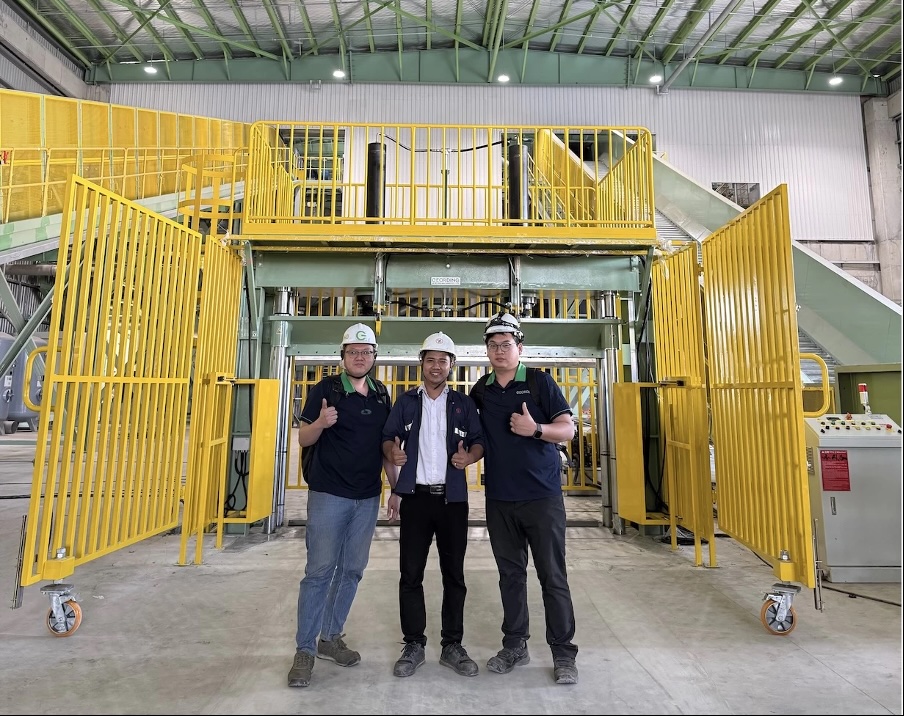
A recent project demonstrates how a customized hydraulic cutting system can improve both production efficiency and workplace safety.
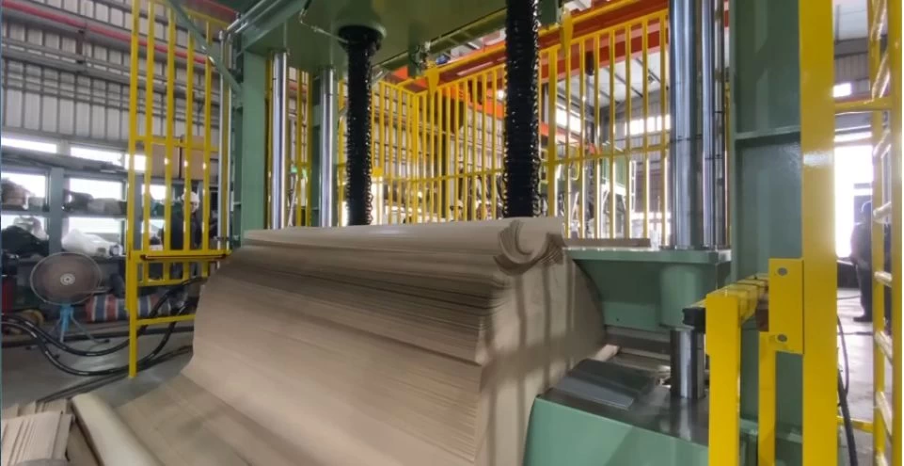
Geording Machinery partnered with one of Southeast Asia’s largest paper groups to design and deliver a customized hydraulic cutting machine.
The paper group’s production lines process large volumes of paper rolls and sheets every day. Because these materials vary greatly in size and weight, operators must work near the equipment for extended periods.
Any weakness in machine design could affect both production efficiency and operator safety.
After carefully analyzing the customer’s workflow, material specifications, and factory layout, Geording redesigned the cutting section and developed a hydraulic cutting machine tailored specifically to the production environment.
Reinforced Machine Structure
The machine features a robust steel frame structure designed to withstand continuous high-frequency cutting operations. This ensures structural stability and prevents deformation over time.
High-Durability Cutting Blades
Specially treated cutting blades were selected to enhance cutting force and durability. This reduces blade replacement frequency while ensuring clean and precise cutting results.
Integrated Safety Protection Systems
Several safety mechanisms were incorporated into the system to protect operators.
- Safety Light Curtains automatically stop machine operation when personnel enter hazardous zones.
- Japanese Safety Interlock Devices ensure reliable braking and locking performance at critical control points.
- Customized Safety Guard Rails were designed according to the factory’s workflow to clearly separate operator zones from walkways.
These safety-focused design features allow operators to maintain productivity while working in a safer and more controlled environment.
Seamless Production Integration
The hydraulic cutting system was fully customized in terms of:
- machine dimensions
- stroke length
- operator interface
It also integrates seamlessly with the customer’s existing conveying and stacking systems, allowing the machine to be implemented without major modifications to the production line.
For large manufacturing groups with multiple facilities, this type of customized hydraulic cutting solution can be replicated across different plants with adjustments for production capacity and cutting size.
Why Manufacturers Choose Geording Hydraulic Cutting Machines
When selecting a hydraulic cutting system, machine specifications alone are not enough. Manufacturers also need a partner that understands real production environments.
With extensive experience in industrial cutting equipment, Geording Machinery focuses on delivering solutions that combine structural reliability, safety design, and customized engineering.
Geording hydraulic cutting machines are designed to support:
- high-frequency industrial cutting operations
- customized machine configurations
- integration with automated production lines
- enhanced operator safety systems
By working closely with manufacturers to understand their workflow and production challenges, Geording provides cutting solutions that help factories maintain efficiency while improving workplace safety.
FAQ About Hydraulic Cutting Machines
Q1: What materials can a hydraulic cutting machine process?
Hydraulic cutting machines can process a wide range of materials including paper, plastic sheets, rubber, leather, textiles, and composite materials. Their high cutting force makes them suitable for thick or layered materials.
Q2: Why choose a hydraulic cutting machine instead of a mechanical cutter?
Hydraulic cutting machines provide more stable cutting force and better performance when handling dense materials. They are also more suitable for continuous industrial production environments.
Q3: Are hydraulic cutting machines safe to operate?
Yes. Modern hydraulic cutting machines include advanced safety features such as safety light curtains, emergency stop systems, and safety interlock devices that help protect operators during operation.
Q4: Can hydraulic cutting machines be customized?
Most manufacturers offer customization options, including machine size, stroke length, cutting force, and integration with existing production lines.
Q5: How do I determine the right hydraulic cutting machine for my factory?
The appropriate machine depends on several factors including material type, thickness, production volume, and factory layout. Working with an experienced equipment manufacturer can help determine the most suitable configuration.