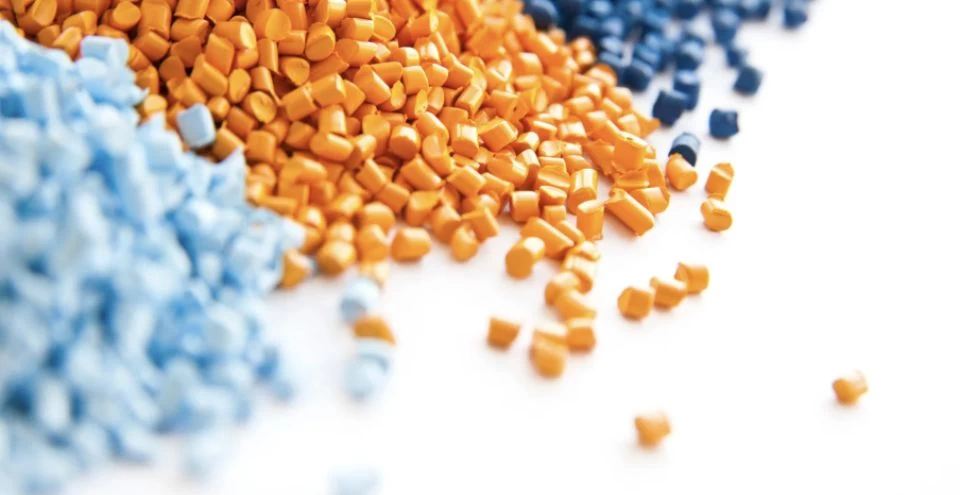
Plastic pellets are the standard raw material form used across modern plastics manufacturing. From virgin pellets to recycled pellets, they are widely applied in film blowing, injection molding, pipe extrusion, agricultural film production, and many other processes.
When the recycling, washing, and pelletizing stages are properly controlled, recycled pellets not only reduce raw material costs but also transform waste plastics into valuable secondary materials. They have become an essential tool for companies seeking to advance circular manufacturing and strengthen ESG performance.
Why Are Plastic Pellets Important?
Most of the plastic products you use every day—shopping bags, packaging films, food containers, household items, appliance housings, pipe
For plastics processors, pellets represent a critical intermediate form between raw materials and finished products:
- Easy to store – Pellets are simple to package, stack, and manage in inventory.
- Accurate to measure – Ideal for weighing, color matching, and formula control.
- Efficient to convey – Compatible with automated material conveying systems for stable feeding into extrusion, blowing, and molding equipment.
In the recycling industry, pellets are what make waste plastics “marketable” again. With proper washing, pelletizing, and quality control, previously low-value and bulky waste can be turned into sellable recycled pellets and reintegrated into production workflows.
What Are Plastic Pellets? A Clear Explanation of Virgin vs Recycled Pellets
Plastic pellets are small, granulated pieces of plastic produced through a pelletizing process. They typically come in cylindrical or oval shapes measuring just a few millimeters, making them easy to feed through hoppers, screws, and conveying pipelines.
From a material source perspective, pellets can be categorized into two major types:
Virgin Pellets
Produced directly from petrochemical feedstock, virgin pellets offer high purity and stable material properties. They are commonly used for applications requiring stringent performance or functional characteristics.
Recycled Pellets
Made from recovered waste plastics that have been sorted, washed, melted, filtered, and pelletized. With proper control, recycled pellets can be used in film blowing, injection molding, extrusion, and more—replacing part of the virgin material while balancing quality and cost.
Practical Advantages of Pellet Form
- Excellent flowability in hoppers and screws
- Uniform size for consistent feeding and melting behavior
- Convenient storage and transportation with reduced dust and contamination risks
Geording specializes in providing complete systems that turn waste plastics into high-quality recycled pellets—helping you convert challenging scrap into stable, valuable materials for reuse or resale.
Where Can Plastic Pellets Be Used? Four Major Application Sectors
Whether virgin or recycled, the true value of pellets lies in their ability to be melted and reprocessed into a wide range of end products. From everyday consumer goods to industrial films and agricultural supplies, pellets are everywhere. Below are four major application areas that clarify their practical roles in manufacturing.
1. Film Blowing

Film blowing is one of the most common applications. Shopping bags, packaging films, liners, and garbage bags are typically made from LDPE, LLDPE, or HDPE pellets.
For these applications, pellet stability is critical:
- Consistent melting produces uniform film thickness
- Low contamination reduces film breakage, pinholes, and black spots
- Clean, well-dried recycled pellets can partially replace virgin material to significantly reduce costs
For film recyclers, when the front-end washing and pelletizing stages are properly controlled, recycled pellets can be seamlessly reintroduced into film blowing lines, creating commercially valuable packaging products once again.
2. Injection Molding

Injection molding is widely used for household items, containers, toys, functional components, appliance housings, and even certain automotive parts. These products require dimensional precision, clean appearance, and dependable mechanical strength—making pellet consistency particularly important.
3. Agricultural and Industrial Film Production
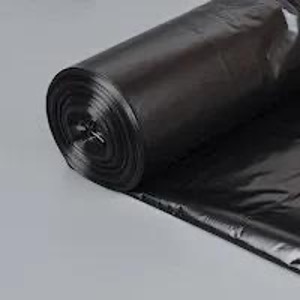
Agricultural greenhouse films, industrial packaging films, and large covering films also rely heavily on plastic pellets. These materials must provide strong tensile resistance, puncture strength, UV stability, and weatherability. Their optical properties—transparency, diffusion, or shading—are often engineered according to crop or usage requirements.
For recycled pellets sourced from agricultural films, key considerations include:
- Thorough washing to remove soil, adhesives, and organic contamination
- Moisture and impurity control to prevent weak spots in blown films
- Multi-layer co-extrusion designs where recycled pellets form the middle layer while virgin or functional materials reinforce the outer layers
Geording specializes in high-contamination film recycling lines designed specifically for agricultural film, packaging film, and post-consumer waste, ensuring recycled pellets can reliably return to agricultural and industrial film applications.
Is Using Plastic Pellets More Cost-Effective?
Why More Factories Are Transitioning to Recycled Pellets
In real manufacturing environments, the decision to implement pelletizing systems is rarely about whether it is technically possible, but whether it is economically worthwhile.
Plastic pellets—especially recycled pellets—deliver advantages in four critical areas:
- Lower Raw Material Costs
- Higher Recycling Rates & Resource Savings
- Stable Processing for Mass Production
- Stronger ESG Performance & Circular Economy Alignment
More Than an Equipment Supplier: How Geording Solves Real Recycling Challenges
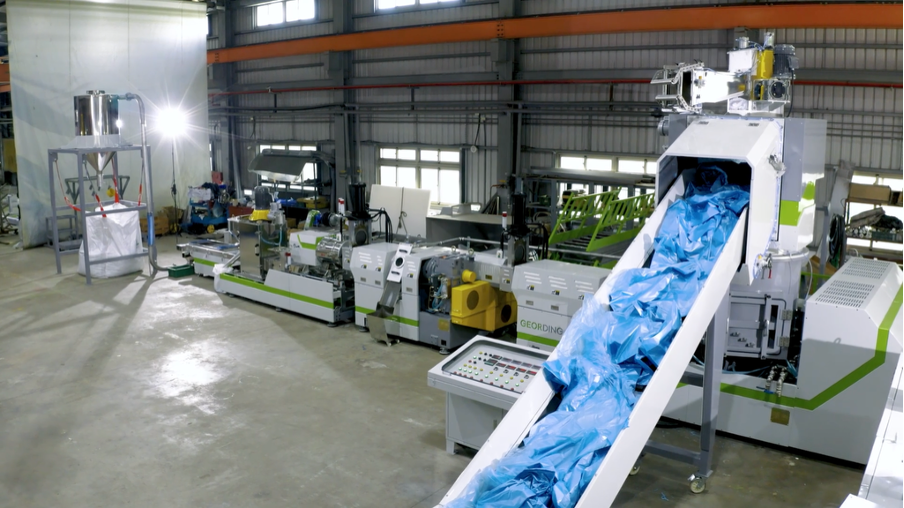
In actual recycling operations, the problems often extend far beyond simply needing “a pelletizing machine.” Challenges commonly include unstable material sources, high contamination levels, poor compatibility with existing equipment, and frequent downtime for cleaning.
With decades of experience across different recycling environments, Geording understands that every factory requires a solution tailored to its raw materials, plant layout, and production goals—not just a standard machine.
Geording specializes in film recycling and pelletizing lines designed for highly contaminated agricultural films, packaging films, and post-consumer waste. Our systems support LDPE, HDPE, PP, and more, and can be customized according to material characteristics, throughput requirements, and space limitations—from pre-washing and dewatering to pelletizing and storage.
One example is Geording’s integrated 3-in-1 cutter-compactor pelletizing system, which consolidates feeding, shredding, extrusion, filtration, and pellet cutting into one continuous process. This reduces manual handling, minimizes material loss, and enhances system stability. The resulting pellets offer consistent quality, ideal for post-consumer film and waste recycling applications.
For a deeper explanation of workflow design and plant configuration, refer to our related article: “How to Start a Recycling Business? Begin by Choosing the Right Equipment for Your Own System”
Frequently Asked Questions About Plastic Pellet Recycling
Q1: Which types of plastic waste can be pelletized?
Common materials include LDPE, HDPE, and PP—whether clean, printed, or lightly contaminated films—when matched with the right recycling system.
Q2: Can recycled pellets be used for film blowing or injection molding?
Yes. With proper filtration and stable pelletizing, recycled pellets can be used across blowing, injection, and extrusion processes.
Q3: How can pellet quality be stabilized?
A dual-stage filtration system combined with proper degassing and extrusion design effectively reduces impurities and moisture.
Q4: Does using recycled pellets really save money?
Absolutely. Many processors save 20–50% on raw material costs by replacing part of their virgin resin with recycled pellets.
Q5: What equipment is required to produce plastic pellets?
A complete pelletizing line typically includes shredding, extrusion, filtration, and pellet cutting. Geording offers integrated systems optimized for different material types and contamination levels.
Is Your Recycling Operation Still “Waste Disposal”?
It’s Time To Turn It Into a Real Production Asset
Geording has helped manufacturers around the world transform post-consumer waste into stable, high-quality recycled pellets. Whether your goal is reducing material costs, increasing throughput, or expanding your recycling capabilities, we can provide tailored solutions to fit your production needs.
Interested in learning more about our equipment or exploring the right system for your factory?
Contact us to discuss your application and production requirements.